How Do You Know When Your Differential Is Bad
(Updated on September 29, 2020)
A differential is the part of a vehicle'south powertrain that allows ii wheels to turn at different speeds. Differentials have 1 input and ii outputs, with each output going to an axle or drive shaft which and then connects to a bicycle.
Need assist with a machine problem Right At present?
to chat online with a verified mechanic who volition answer your questions.
What is the Purpose of a Differential?
When you have a turn in your vehicle, the left and right wheels will have a slightly unlike path. The tires on the inside of the plough will make a circle with a smaller radius, which means information technology requires less revolutions of the tire to consummate the turn.
If vehicles were not equipped with front and rear differentials, the left and correct tires would exist forced to spin at the aforementioned speed despite these different paths. This would cause 1 or both tires to slip, causing loss of traction, excessive tire wear, and additional stress on other powertrain components.
The difference in speed between the two tires is due in office to the vehicle's rail width (that is, the distance between the left and right wheels). The greater the track width and the tighter the plow you take, the more difference in speed in that location is between the within and exterior wheels.
How Many Differentials Does My Vehicle Have?
Vehicles accept a dissimilar number and placement of differentials depending on the number of driven wheels it has. "Driven" wheels are the wheels which receive torque from the engine.
Forepart and rear bike drive vehicles are two-wheel drive vehicles. They have a single differential.
Front end Wheel Drive

Front end wheel drive vehicles oft have a transaxle, which is a single integrated unit that serves the purpose of the transmission, the differential, and the beam. On front wheel drive vehicles, the term "transaxle" may be used interchangeably with "manual" or "differential" depending on who you talk to.
Rear Cycle Drive

Most rear wheel drive vehicles volition have a standalone differential betwixt the rear wheels that is linked to the transmission via a driveshaft. A rear differential is colloquially called a "rear end" or rear diff past some people.
All Wheel Drive
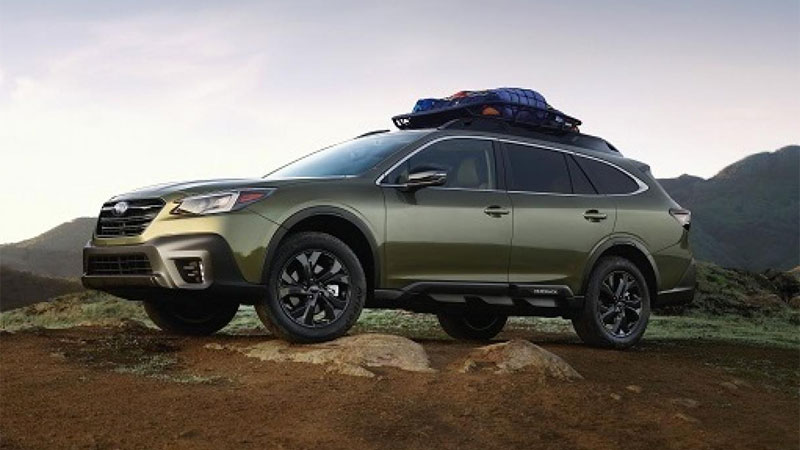
All bike drive vehicles have three differentials: a front end, rear, and middle differential. The center differential splits the torque between the front and rear differential inputs, which each then split the remaining torque from left to correct.
Four Bicycle Drive

Iv-wheel bulldoze systems found on trucks and SUVs typically accept a transfer case instead of a centre differential.
Types of Differentials
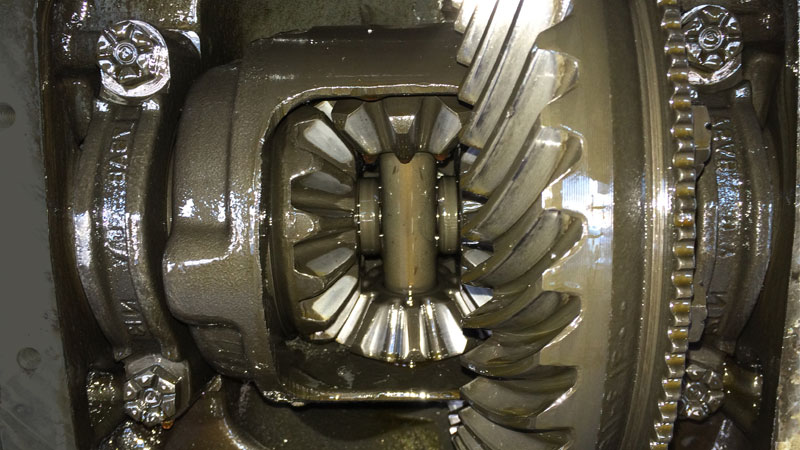
Open up Differential
An open differential is the simplest and virtually mutual differential. Equal torque is applied to both outputs. This means if one tire loses traction, the other tire will exist limited in the amount of force it can apply to the ground to propel the vehicle forward.
Locking Differential
Locking differentials are typically establish on purpose-built off-road vehicles such as trucks and Jeeps that come with off-road packages.
A locking differential spins the left and correct wheels at the exact same speed, regardless of cycle slip. This differential is great for tough terrain when i tire could exist in the mud, snow, or even the air.
You should take care not to lock the differential in a high-grip situation, such as on dry asphalt. This could put excess stress on the powertrain and damage expensive components.
Limited Slip Differential
A limited slip differential is a centre footing between an open differential and a locking differential. These are typically found on sports cars and higher end luxury cars.
There are many unlike types and implementations of limited skid differentials. The bones idea is that when a tire slips, the maximum wheel speed of a slipping tire is express. Torque is so transferred or multiplied to the opposite tire that withal has grip. Ideally, this allows a vehicle to keep moving forward even if i tire has little or no grip.
Bad Front or Rear Differential Symptoms
There are a few noticeable signs that will present themselves if your front and/or rear differentials start to wear out or get damaged. Here are the most common symptoms that you tin expect to happen if your differential goes bad.
i) Whining Noises

Whining noises are 1 of the most mutual and noticeable symptoms of a bad differential. This could be due to the components of the differentials not beingness lubricated properly.
Perchance the differentials are leaking fluid and that is causing them to wear prematurely. Whenever their components are not being lubricated properly, you are probable to hear whining noises coming from the end of your motorcar where the differential sits.
2) Tire Damage
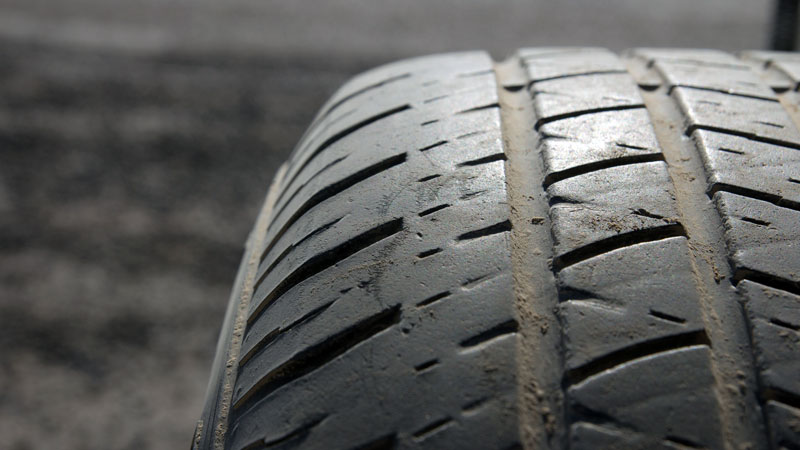
If your left and correct tires are traveling at the same speed every bit you turn a corner, the inner tires are going to take more wear put on them because they're beingness forced to rotate faster than they should be. This volition cause your tires to vesture prematurely.
If your differential is locked you may also experience tire scrubbing, which is the sound of your tires gripping and slipping in quick succession. Depending on the safe compound, this may sound like a rapid squeal or a chirp. There volition probable be some vibration to the rhythm of the audio.
3) Hard Treatment

Differentials are what permit your vehicle to corner comfortably when you make a turn. A declining differential is likely to upset the cornering ability of your vehicle and make it experience unstable.
Anytime you notice handling difficulties when turning or going around a corner, get your vehicle to a mechanic as before long as you can to have it checked out.
4) Vibrations

If the universal joints of your differentials become too worn out, the drive shaft will start to vibrate. You will experience the vibrations even more as yous footstep on the gas pedal to advance your vehicle. The vibrations will get fifty-fifty worse if there is a differential fluid leak.
Although this might not seem serious, you should let this be an early on alarm sign that y'all need to have your differentials checked out.
5) Gear Grinding

If you have a worn differential, its gears may showtime to grind more. This may fifty-fifty cause humming noises to emerge from the grinding of the gears. Y'all will hear the humming audio become louder as y'all accelerate the vehicle.
If yous hear this, it's a proficient thought to have your differential inspected, and possibly the transmission also. If you lot catch information technology early, the gear up could be every bit simple as a gear oil alter.
Front or Rear Differential Repair Price
The average cost of repairing bad front differentials and rear differentials will depend on the severity of their condition. Generally speaking, it should not cost more than $400 to repair most rear or front differentials. Nearly people pay around $200 to $300 though.
This would involve repair work related to adjusting the backlash and replacing the oil seal of a differential. But if you need to completely rebuild a differential, then your repair costs volition be between $400 and $800.
This is still cheaper than having to supersede an entire differential, which would exist between $one,000 and $two,000.
Source: https://oards.com/bad-differential-symptoms-repair-cost/
0 Response to "How Do You Know When Your Differential Is Bad"
ارسال یک نظر